During a year where state leaders have faced immense challenges in defending protections for LGBTQ+ people in their states, some have been able to achieve major wins for HIV prevention and treatment access.
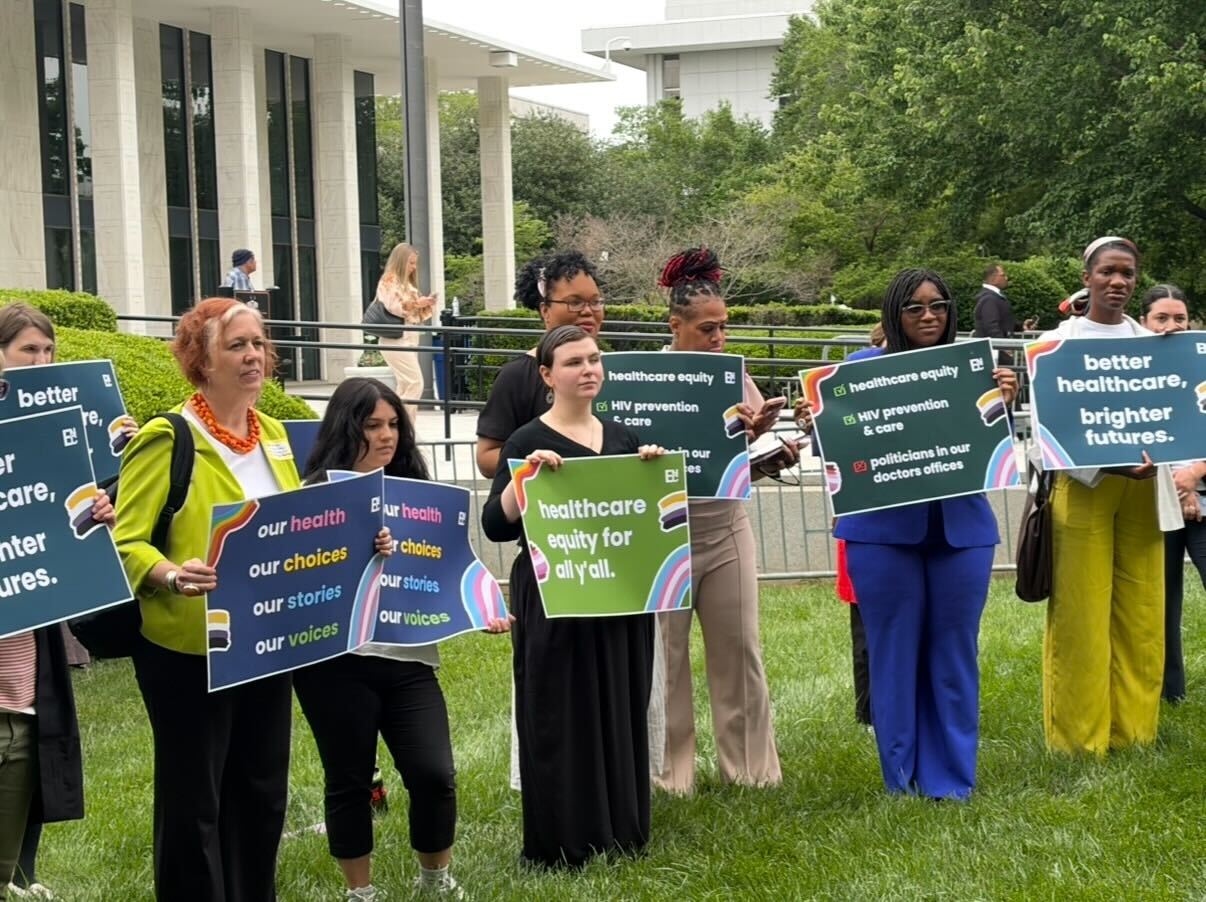
Among these victories are the landmark legislative wins for HIV prevention medication access in New Jersey and Georgia, made possible by Garden State Equality, Georgia Equality, and their respective partners. In addition to these policy wins, Equality North Carolina led a successful advocacy day, equipping community members with the training and knowledge needed to become advocates for HIV justice, whether it be in their communities or in conversation with lawmakers.
At Equality Federation, we’re incredibly honored to have supported these efforts along the way, providing resources, capacity, and more to help these campaigns reach the finish line. Read more below to hear direct insights from our state partners who helped secure progress across Georgia, New Jersey, and North Carolina as we explore how these statewide wins are shifting the landscape at both the local and national levels.
Case Studies: Policy Progress in New Jersey + Georgia
New Jersey
On January 9, 2026, New Jersey Governor Murphy signed S2019/A6293 into law, making HIV medications like PrEP and PEP more accessible in New Jersey. This bill includes landmark legislation that significantly expands access to HIV prevention by authorizing pharmacists to dispense PrEP and PEP and requiring coverage across public and private health plans, including Medicaid.
This was made possible by the hard work of Garden State Equality and their partners who drafted the bill, lobbied, and ensured folks impacted by the bill, including pharmacists, were involved in it’s creation.
We asked Lauren Albrecht, Director of Advocacy and Organizing at Garden State Equality, “What does this win mean for the daily lives of LGBTQ+ people and communities impacted by HIV in New Jersey?”
As Albrecht put it, “Well, plainly, it will eventually result in lowered rates of new HIV transmissions in New Jersey. That is the ultimate goal, moving closer to zero new cases all the time.”
Georgia
In May, Georgia followed suit as Governor Kemp signed SB 195 into law, expanding access to HIV prevention medications by allowing pharmacists to dispense PrEP and PEP to patients.
When asked about the day-to-day impact of this legislation on Georgians, Kayla Quimbley-Young, HIV Policy Manager at Georgia Equality, replied:
“For many Georgians, especially LGBTQ+ people, Black communities, rural residents, and others who face barriers to healthcare, accessing PrEP has often meant finding a provider, scheduling an appointment, taking time off work, and navigating transportation or stigma before ever getting a prescription. SB 195 helps remove some of those barriers by allowing trained pharmacists to initiate PrEP and PEP under statewide protocols, bringing HIV prevention into one of the most accessible healthcare settings in our communities.
Pharmacies are often the most accessible healthcare touchpoint, particularly in areas with provider shortages. By expanding where people can access PrEP, we're moving HIV prevention beyond traditional clinical settings and creating more opportunities for people to start prevention quickly and conveniently. While legislation alone won't end disparities, it creates a stronger foundation for reaching communities that have historically been underserved by our healthcare system.”
In both New Jersey and Georgia, now that the legislation has passed, implementation of the new law is what makes expanded PrEP access a reality for communities.
The team at Georgia Equality shared: “Passing the bill was only the first step. Successful implementation will require coordinated efforts across pharmacists, healthcare providers, advocates, public health agencies, insurers, and community organizations.
Pharmacists need practical training, clear clinical protocols, referral pathways, and confidence in providing PrEP services. Community organizations play a critical role in educating communities about these new access points while helping ensure implementation reaches those who need it most, not just communities that already have strong healthcare infrastructure.
At Georgia Equality, we're focused on supporting implementation through education, coalition building, and partnership…Our goal isn't simply to have the law on the books. It's to make sure people can actually walk into a pharmacy and access PrEP without unnecessary barriers.”
So, how do these kinds of wins happen?
A lot of times, when we talk about policy change, folks don’t realize how many people worked behind the scenes to make that progress possible.
Expanding access to essential care, from the legislature to our communities, requires deep collaboration from local advocates, community members, organizations across social justice movements, lawmakers, healthcare providers, and more.
When asked about what support was most helpful in getting this legislation over the finish line, Garden State Equality shared, “Equality Federation was a great help in connecting us to consultants who have worked on bills like this in other states and experts such as the Elton John AIDS Foundation.” Whether it is providing one-on-one coaching sessions, providing funding support, or facilitating new partnerships, connecting our state partners to the resources they need to build equitable, thriving communities is at the heart of it all. We are here to make progress possible.
For state advocates looking at Georgia and New Jersey as a blueprint, Georgia Equality shared some advice:
“Start by building relationships before you need them. Policy change happens because people with different perspectives find common ground around improving health outcomes.
Our coalition included advocates, pharmacists, clinicians, public health professionals, legislators, and community organizations who all brought different expertise to the table. We listened to concerns, worked through implementation questions together, and remained focused on the shared goal of expanding access to HIV prevention.
I'd also encourage advocates to think beyond bill passage from the very beginning. Consider implementation while you're drafting legislation. Ask who will provide training, who will educate communities, what barriers pharmacies may encounter, and how you'll measure success once the bill becomes law. Sustainable policy change requires planning for what happens after the governor signs the bill.”
Progress beyond policy paves the way in other states
Not ready to pass a bill just yet? Progress is still possible.
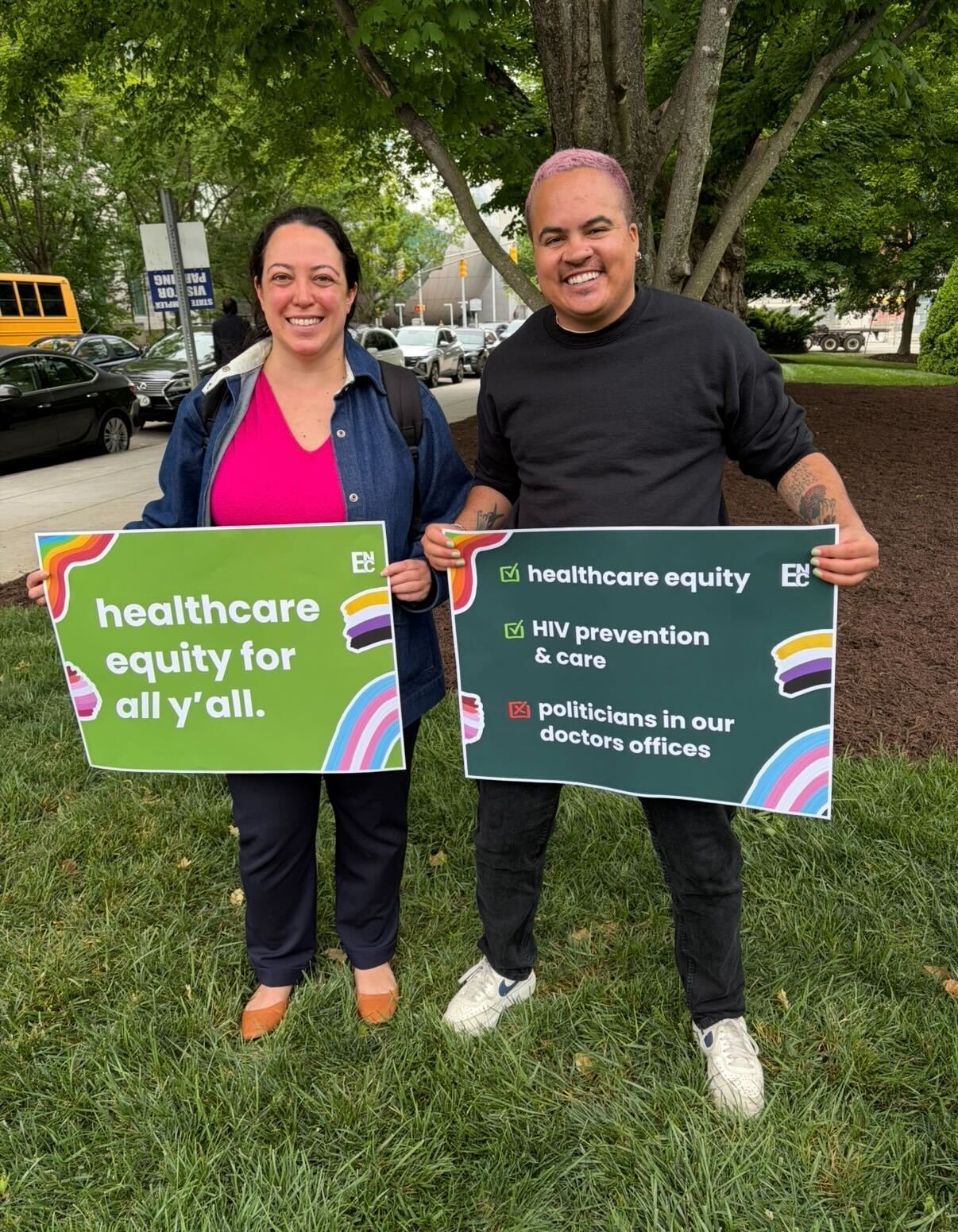
Take North Carolina as an example. Their 2026 advocacy day was centered on PrEP access and educating community members and lawmakers about PrEP disparities, especially among Black women and trans people.
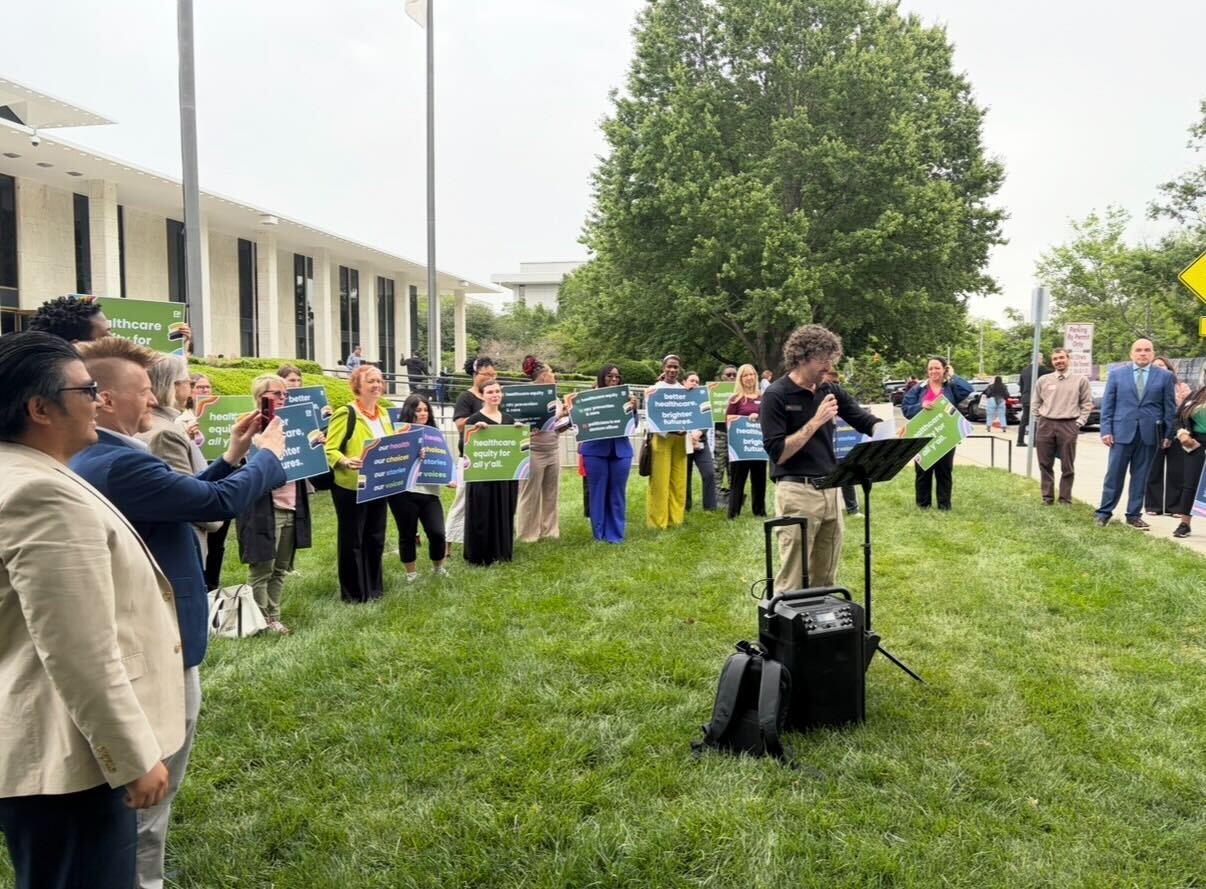
At Equality North Carolina’s advocacy day in May, Equality Federation joined them on the ground to provide direct training to 33 advocates in attendance on PrEP and PrEP disparities to prepare them for successful meetings and lit drops with legislators. Those advocates went on to meet with 79 state legislative offices to advocate for PrEP access, including pharmacy-initiated PrEP and Medicaid coverage protections for PrEP and other preventive care.
This is a big win in the broader context of Equality Federation’s work to expand pharmacist scope of practice to prescribe PrEP in the South: centering an entire state advocacy day on PrEP access and racial and gender disparities helps normalize pharmacy-initiated PrEP as a health equity solution, builds champions who understand why Black women and trans communities lack access, and lays groundwork for future legislation and implementation fights across the region.
Eliazar Posada-Orozco, Executive Director of Equality North Carolina, shared what went into the decision to center the advocacy day entirely on PrEP access and HIV disparities:
“Moving into the HIV/PrEP advocacy space was a natural and timely step for Equality NC. Healthcare has always been a key point of advocacy for us and as we saw the HIV/PrEP field in NC and around the US, it was clear to us that we needed to get involved. Equality NC has worked with our state partners for years, this was the first time we fully dove in with our Advocacy Day it was not the first time we have worked on this issue. Before, we had played a supporting role with partners, this year we felt the need to leverage our connections in the NCGA [North Carolina General Assembly], state partner agencies and community to actively move the needle.”
Why This Matters
So, what do these wins for HIV prevention and medication access mean? It means breaking down barriers to essential healthcare and ensuring PrEP and PEP are available to folks who need them.
We already know that PrEP works when it comes to preventing HIV. It has saved many lives, and it’s a landmark innovation in the struggle to end the epidemic. But let’s be real: it’s not reaching everyone who needs it. And I want to be very clear about which communities are being left out. It is Black, brown, and Indigenous people, transgender people, undocumented folks, people who are incarcerated or detained, and people living in rural areas and clinical deserts.
Access to PrEP, still, almost fifteen years after it was first made available, depends on who you are, where you live, and whether the system decides your health is worth the effort. That gap in services for our communities is not an accident. It’s a flaw in our public health system, and we have the power to fix it.
This isn’t just about making things easier. It’s about changing the system so that protection isn’t a privilege, it’s a right. If we want different results, we need a different approach: one that puts prevention where people actually are.
At the same time, major HIV treatment access concerns remain unresolved for people living with HIV, including access to long-acting injectable treatment options. That’s why we must continue to advocate for a comprehensive HIV access framework that integrates prevention and treatment together, because access to treatment is both lifesaving care for our friends and families living with HIV and a core HIV prevention strategy.
All of these victories and case studies are proof that people want, need, and benefit from accessible healthcare, especially for communities with the greatest need.

.png)